The Row Handbags: An Investment PieceYou Won’t Regret
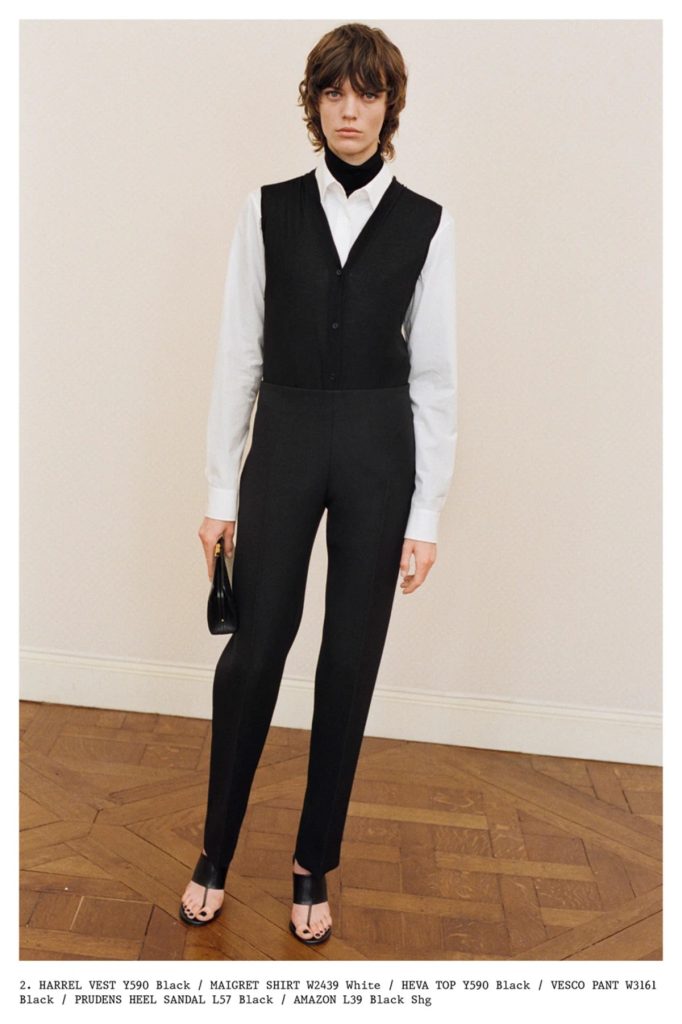
Shoppers researching the row understand quickly that this is not a brand built for impulse buying. It’s built for people who want one exceptional object that outlasts trend cycles entirely. The Row’s standing rests on discipline: founded by Mary-Kate and Ashley Olsen, the brand has spent close to twenty years refining a handful of silhouettes rather than pursuing trends, transforming The Row bags into more like modern heirlooms than mere accessories.
Understanding why these pieces command such loyalty requires looking past the price tags and into the construction, material sourcing, and design philosophy that sets row handbags apart from nearly everything else on the market. This article breaks down what makes them worth the wait, which styles matter most, and where you can actually find them.
What Fuels The Row’s Bags Remarkably Beloved
Each piece included in the latest the row bags overview carries a few recurring traits: sparing hardware, firm yet supple silhouettes, and leather that’s been sourced and tanned with an unusual level of care. Ornamentation is famously kept to a minimum by the brand — no exposed branding marks, no flashy labeling, no of-the-moment tricks. Those who prize enduring quality over instant recognition among stylists, editors, and collectors have come to favor row bags thanks to this design language.
Limited availability is a core piece of the appeal. The Row produces far smaller quantities than most luxury houses, and certain styles sell out within days of restocking. This isn’t manufactured-feeling excitement; it stems from truly restricted production runs linked to specialist studios in Italy. For the most coveted silhouettes, especially among neutrals such as ecru, black, and taupe, buyers frequently report delays of several months.
Don’t overlook the resale landscape. Multiple standout bags in the row — such as the earlier Margaux as well as Sideby styles — have exhibited strong value retention against comparable designer bags, with certain pieces reselling at or above original retail during year one. That kind of performance is rare and speaks to genuine demand rather than speculative hype.
Margaux, Sideby, and the Tote:? the Must-Have Silhouettes
Known widely for its soft-sided shape and its knack for rowbag.org/top-handle adapting to the shape of daily use, the Margaux is arguably the label’s standout signature style. It comes in multiple sizes, which lets it work as both a go-to daily carryall with crossbody styling and a sleeker after-dark option based on the version selected. It’s a common question where to buy the row margaux bag, because it’s carried on a rotating basis between its direct-to-consumer website and a handful of sanctioned luxury stockists.
The Sideby bag adopts a more structured silhouette featuring a top handle plus an optional strap, suiting it to work and after-hours occasions alike. At the same time, the brand’s tote has emerged as the label’s everyday essential — roomy, occasionally unlined for a lighter feel, and outfitted with hardware that echoes the rest of the lineup’s restrained detailing. It’s often the entry point for new customers because its utility justifies the investment more immediately than an evening style might.
Each of these three — Margaux, Sideby, and the tote — represents a distinct use case, but all three share the label’s underlying dedication to restrained logos and top-tier leather craftsmanship. Anyone cross-referencing row bags overview pages will find these three names showing up again and again, and understandably so: these are the styles most often referenced in resale communities, style guides, and 2026 best-of lists.
Weighing The Row’s Core Bag Styles
| Style | Best For | Shape | Typical Use Case |
|---|---|---|---|
| Margaux | Everyday adaptability | Relaxed, unstructured | Transitions easily from office to weekend |
| Sideby | Polished occasions | Firm shape with top handle | Office and evening |
| Tote | Maximum capacity | Roomy, unstructured | Travel and everyday errands |
This comparison isn’t exhaustive — The Row produces smaller collections like the Ascot and the Wander that sit beyond these three main categories — but for buyers trying to settle on an initial choice, these three groupings address the bulk of use cases people research when researching the row handbags as a category.
How Row Sale Events and Resale Really Function
Different from brands that mark down steeply each season, a real row sale is infrequent. The Row sometimes provides markdowns through certain department stores rather than its own website, and even so, the most popular sizes and colors are gone before discounts get broadly publicized. Shoppers hoping to catch a row sale should track official retailers themselves instead of trusting discount aggregator sites, since the chance of fakes rises sharply whenever “sale” and “designer handbag” show up together in a search.
Consignment sites have turned into the more reliable route for budget-minded shoppers. Platforms focused on verified luxury resale frequently list lightly worn Margaux and Sideby styles at 15–30% below original retail, based on the item’s condition and how rare its color is. Neutral colorways tend to hold value best, while limited seasonal colors can even command a premium on resale if the style was especially popular during that season.
It bears mentioning that The Row seldom takes part in traditional seasonal sales as many mass-market luxury labels do. This deliberately scarcity-based approach to pricing is by design — it reinforces both the impression and the fact that these are pieces meant to be kept rather than cycled through a closet.
Where The Row Style Approach Fits Into 2026 Wardrobes
The broader row fashion aesthetic, which encompasses quiet luxury, tonal dressing and minimal branding,has only grown more relevant heading into 2026. As many shoppers shift away from logo-heavy accessories, the allure of a bag that communicates skill and quality rather than status has increased significantly. Consequently, row bags have edged further into everyday fashion conversation, despite the brand sticking to its understated, low-marketing stance.
Stylists have also noted that The Row’s neutral palette pairs seamlessly with the tailored, monochrome wardrobes trending across both ready-to-wear and street style coverage this year. A lone Margaux or tote is capable of anchoring multiple looks across seasons while never feeling dated — precisely the aim of an investment piece. This adaptability explains why so many buyers researching best row bags end up choosing neutral tones over statement colors for their first purchase.
Taking the Plunge: Down-to-Earth Shopping Guidance
Should you be seriously weighing a purchase, begin by pinpointing your main use case instead of shopping according to trend. A Margaux serves differently than a structured Sideby, and the tote solves an entirely different problem than either. Buying based on lifestyle first, aesthetics second, tends to produce far higher satisfaction long-term.
Whenever shopping beyond The Row’s own site or its short list of authorized stockists, always confirm authenticity first. As the brand’s popularity has grown, counterfeit listings have multiplied across secondary marketplaces, so pricing that seems oddly low next to typical retail should raise suspicion rather than excitement.
As a final point, approach color selection with strategy in mind. Neutral tones — black, ecru, taupe — tend to offer the greatest versatility and the strongest resale performance, while boldly colored or seasonal releases may feel exciting initially but can be harder to style consistently over multiple years. Most stylists and long-time collectors recommend that first-time buyers start neutral and only move into color once they see how the bag works within their daily rotation.
The Row’s handbags aren’t designed for everyone, and that’s precisely the point. They reward patience, careful research, and a willingness to invest in fewer, better things — a philosophy that feels more relevant in 2026 than ever before.